
Air Conditioning Installation in Davenport: Repair vs. Replace, and Getting the Size Right
When your current air conditioner struggles against Florida heat, requires frequent costly repairs, or causes skyrocketing power bills, upgrading to a high-efficiency system restores reliable indoor comfort. Proper system selection and precision installation ensure long-term energy savings and consistent cooling across every room.
Signs Your System Needs Full Replacement, Not Another Repair
A failed part alone doesn’t prove you need full replacement. Replacement makes more sense when failures repeat, comfort keeps dropping, and major components show wear. A full system inspection should confirm that decision.
One repair can be reasonable. But repeated compressor, coil, motor, or electrical problems tell a different story. The repair history matters, the system’s current condition matters more. We often inspect units that run again after service but still can’t cool the home evenly. Short-term relief isn’t the same as dependable comfort.
- The system runs for long stretches but rooms stay warm or humid. Davenport's hot and humid cooling season puts weak equipment under steady strain.
- Major parts keep failing. And each new problem points to broader wear instead of one isolated defect.
- Indoor and outdoor equipment don't match properly. That can hurt capacity, moisture removal, and efficiency.
- Coils have heavy corrosion or repeated refrigerant leaks. Another repair may restore cooling briefly, the underlying condition remains.
- The equipment is incorrectly sized for the building. Too large can cause short cycles, while too small may run without reaching the set temperature.
Age can support the decision, but it shouldn’t make the decision alone. And high electric use isn’t proof by itself. Dirty filters, airflow trouble, or thermostat faults can produce similar symptoms. Sometimes repair is still the right call. One failed capacitor on an otherwise sound system? That’s not a replacement case.
Before recommending Air Conditioning Installation, our team checks system condition and performance. We look at airflow, temperature change, electrical readings, drainage, and equipment matching. But we also listen to what you’ve noticed. Hot bedrooms. Longer cycles. A unit that starts loudly and stops again –
The goal is a clear answer. So you should know why replacement is recommended and what the new system must correct. Our Davenport-based team handles equipment selection, technical guidance, installation, and ongoing support for local homes and businesses.
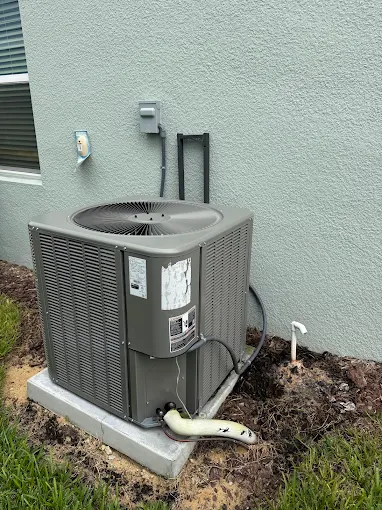
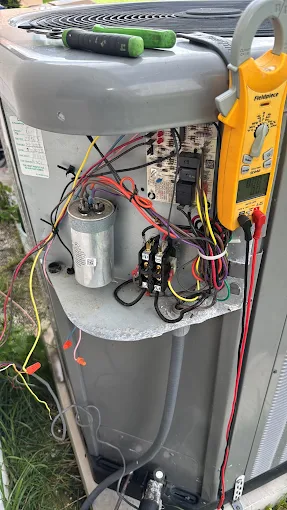
- Cost-Effective Mechanical Fixes
When Repair Beats Replacement
Air conditioning installation isn’t always the right answer. Repair often wins when one problem is isolated and the system remains sound. Age matters, but it shouldn’t decide everything by itself.
One failed part. Not a failed system. A weak capacitor can stop cooling, that doesn’t condemn the whole unit. The same can be true for a blower motor or clogged drain line.
We look at the whole system before recommending the next step. That includes cooling output, airflow, electrical condition, refrigerant performance, and past repair history. We also check whether the equipment still matches the home’s cooling needs.
Repair usually makes sense when the unit cools evenly after one clear fault is fixed. It should also run without repeated shutdowns or unusual noise. And the repair shouldn’t leave another major failure waiting close behind.
Here’s a common situation. The house feels warm, but the outdoor unit won’t start. Testing finds a failed electrical part while the compressor and coils remain healthy. In that case, replacing the entire system would be hard to justify.
But recurring refrigerant leaks tell a different story. So do several major failures within a short period. Poor comfort after proper repairs can also point toward sizing or airflow problems. A new unit can’t fix damaged or undersized ducts. Those issues need their own diagnosis.
Appearance can mislead you too. The cabinet looks rough, the cooling components may still perform well. On the other hand, clean equipment can hide serious wear inside – and that’s why testing matters.
Our team uses advanced diagnostics to compare repair needs with the system’s overall condition. If a focused repair can restore safe and steady cooling, waiting on replacement is reasonable. Simple and fair.
Sizing and Selecting the Right System for Your Home
System selection should begin with your home, not an equipment label. For Air Conditioning Installation, correct sizing drives steady comfort and efficient operation. It also supports better humidity control. Not guesswork.
That starts with a cooling load calculation. We look at floor area, ceiling height, insulation, window size, sun exposure, and air leakage. And we account for people, appliances, and how each room gets used. But square footage alone can’t tell us what your home needs. Two similar houses can have very different loads.
Why not choose a larger unit for extra cooling? An oversized unit can shut off before removing enough moisture. The rooms cool quickly, the air may still feel damp. It can also cycle more often than needed. Too little capacity creates the opposite problem. The thermostat looks satisfied, the back bedroom stays warm. We run into both mistakes more often than you’d expect.
Equipment selection comes next. We match capacity with efficiency, blower control, sound levels, and moisture removal. But capacity isn’t the only choice. Your electrical setup and condensate drain also affect the installation plan. And your existing ducts must move the required airflow without too much resistance.
One connected system.
Davenport’s long, humid cooling season makes moisture removal a real design concern. And strong afternoon sun can raise the load in west-facing rooms. Picture a primary bedroom that stays hot after dinner. A room-by-room calculation helps reveal why. But we shouldn’t hide that issue under a bigger system.
Before equipment is chosen, you should understand the proposed capacity and efficiency level. You should also know if ducts, wiring, or drainage need attention. Clear scope reduces surprises once work begins. Skip that step, and even good equipment starts behind –
When the project includes new or replacement ducts, review our Davenport ductwork installation service for supply and return layout, sealing, insulation, and airflow planning.
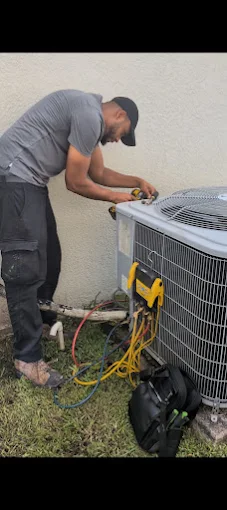
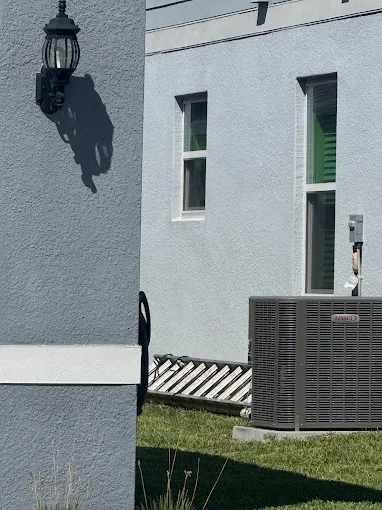
Code Compliance & On-Site Setup
Permits, Inspections, and What Installation Day Looks Like
For a Davenport property, permit steps depend on the authority serving that exact address. Project scope can also change what’s required. Your written proposal should identify who handles the permit and inspection scheduling. It should also explain any work that falls outside the main installation.
Installation day has several moving parts, the sequence should still feel controlled. Our team begins by confirming the equipment and reviewing the work area. We also check access to the air handler, condenser, thermostat, and electrical panel. One missed access point can slow the whole job – and nobody wants that.
- We shut off power and remove the old equipment safely.
- The new air handler and outdoor unit are placed and secured.
- Refrigerant lines, drains, wiring, and controls are connected.
- We test pressure, airflow, drainage, thermostat operation, and system startup.
- Work areas are cleaned before we explain the finished system.
A proper Air Conditioning Installation isn’t finished when cold air reaches a vent. The equipment may be new, the existing duct system still affects comfort. Poor airflow can leave rooms warm or make the system noisy. We pay close attention to startup readings because they reveal problems you can’t see.
An inspector may review electrical connections, drainage, equipment placement, anchoring, and required clearances. The inspection might happen that day or require a separate appointment. Don’t cover or block new work before approval. But you usually won’t need to stop normal household activity while waiting.
Before installation day, clear a path to both equipment areas. Move vehicles if they block outdoor access. Secure pets and protect anything stored near the air handler. And keep an adult available for questions about thermostat placement or unexpected site conditions. We see this often: a small access issue becomes the biggest delay.
HOA Standards & Space Constraints
Condenser Placement Rules in Four Corners and ChampionsGate Communities
Condenser placement isn’t about finding any open patch beside the house. For Air Conditioning Installation, the outdoor unit needs clear airflow and firm support. It also needs enough room for future service. The unit sheds heat outdoors, blocked airflow makes it work harder. That can raise energy use and strain key parts.
Homes in Four Corners can have tight side yards or nearby fences. Those limits must be checked before equipment gets ordered. A condenser can’t be crowded against a wall or hidden behind thick shrubs. Manufacturer clearance requirements guide the final layout. Local permit requirements and any community rules may affect it too.
That narrow side yard may seem like the obvious choice –
But access matters. A technician needs safe working space around service panels and major parts. The refrigerant lines should also follow a practical route. Long or awkward runs can add installation work and create avoidable trouble. We check these details early because moving a condenser later isn’t a small correction.
Drainage matters too, standing water can weaken the unit’s support. The base should stay level and stable through heavy summer rain. Roof runoff shouldn’t pour onto the cabinet. And hot discharge air shouldn’t blow directly into an enclosed corner. We often find the best spot balances airflow, drainage, access, and indoor noise.
ChampionsGate properties may also have community review steps or approved exterior locations. Those rules aren’t identical for every property. The site plan, permit authority, and community documents should be checked first. Guessing can lead to delays or a placement change after work begins. Our team reviews the property conditions and explains the practical options before Air Conditioning Installation starts.
How do I know if I need a repair or a full AC installation?
It usually comes down to how the system has been acting, not just its age. If you’re dealing with one isolated issue, like a bad capacitor, repair is often the smarter call. But if parts keep failing or your home never cools evenly, that’s a sign the whole system is wearing out and installation makes more sense.
What size air conditioner do I need for my Davenport home?
The right size comes from a proper cooling load calculation, not just your square footage. We look at your insulation, windows, sun exposure, and layout, since two similar homes can need very different systems. Davenport’s long, humid cooling season also plays into sizing, especially for rooms with heavy afternoon sun.
Can an oversized AC unit cause problems in my home?
Yes, bigger isn’t always better with air conditioning. An oversized unit can cool the air fast but shut off before it pulls enough humidity out, leaving your home feeling cold but damp. It can also cycle on and off more than it should, which adds wear over time.
Why does one room in my house stay warmer than the rest?
This is common in Davenport homes, especially rooms with strong west-facing sun exposure. It usually points to airflow or duct issues, or a system that wasn’t sized room-by-room in the first place. A full inspection can pinpoint whether it’s a ductwork fix or something the new system needs to correct.
How do you decide if my AC problems mean I need a new system?
We start by inspecting the whole system, not just the part that failed. That means checking airflow, temperature change, electrical readings, drainage, and whether your indoor and outdoor units still match properly. We’ll walk you through exactly what we find and why replacement or repair makes sense for your home.
Does my home's ductwork affect a new AC installation?
Yes, your ducts need to move the right amount of air for the new equipment to work properly. A brand new system can’t fix damaged or undersized ductwork on its own. We check your duct condition as part of the installation plan so your new system performs the way it should.
HOW OUR AC INSTALLATION PROCESS WORKS
Seamless Cooling Upgrades in 4 Steps
We assess your home’s square footage, insulation, and ductwork capacity to determine the exact cooling tonnage required.
Our team presents energy-efficient system models tailored to your budget with clear, itemized pricing and warranty details.
We safely extract your old equipment, install the new AC system to factory specifications, and test all electrical connections.
We measure air output across supply vents, verify refrigerant charge, and guide you through your new thermostat controls.

Get Your Free Air Conditioning Installation Quote in Davenport
Installing a new central air conditioner is one of the most critical investments in your home’s energy efficiency and comfort. Requesting a custom estimate allows our team to match your home with the optimal SEER2-rated unit tailored specifically to your cooling demands and budget.
info@multitekair.com
+1 888-265-8427
152 Sunny Day Way Davenport, FL 33897
Davenport, Four Corners, ChampionsGate and surrounding Central Florida communities.